Fire, UV and Compliance Standards for Artificial Trees
Flame test methods, UV and anti-yellowing acceptance criteria, and the certification path for Saudi, EU and US projects — written for whoever has to hand over test evidence at inspection.
Most failed handovers we see are not failed products; they are the wrong document presented at the wrong moment. A fabric that passes NFPA 701 in the US may still need an EN 13501-1 classification report for an EU consultant, and a Saudi project routed through SABER needs the certificate of conformity issued against the actual shipment, not against the sample. These guides set out which standard applies where, what the test report has to show, and how UV performance is evidenced when a client asks what the foliage will look like after three summers in Dubai.
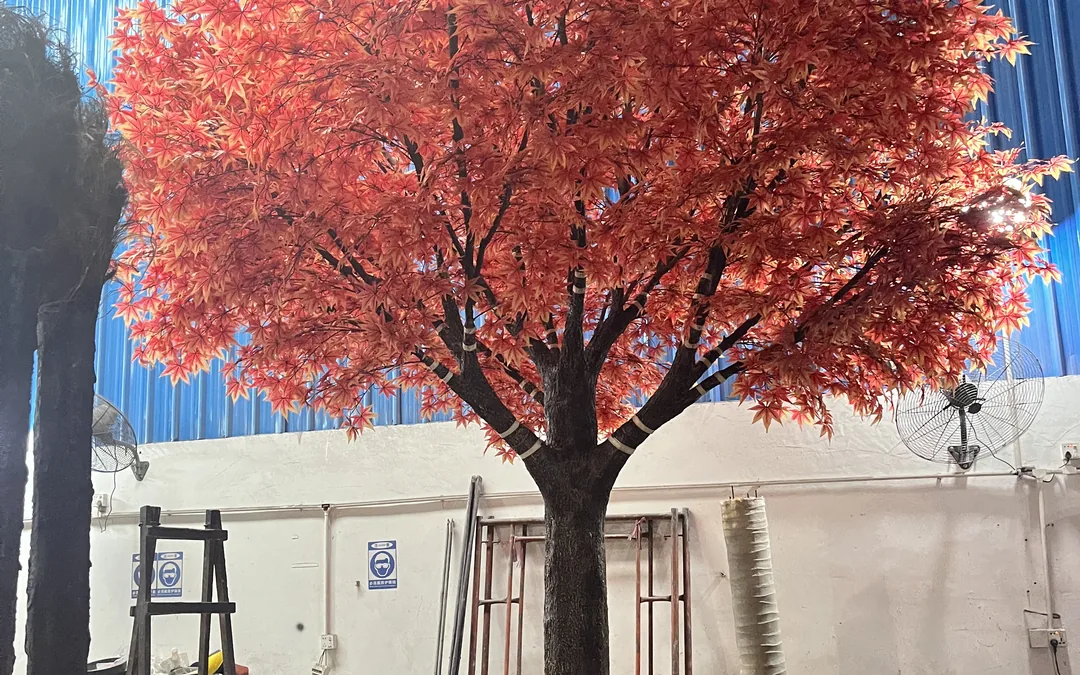
Fire Rating That Survives Maintenance: How IFR Foliage and Topical Treatments Age Under NFPA 701, and the Evidence an Authority Expects at Re-Inspection
IFR foliage carries its fire rating in the polymer, topical sprays do not. What cleaning does to each, and the evidence authorities ask for at renewal.
Read article →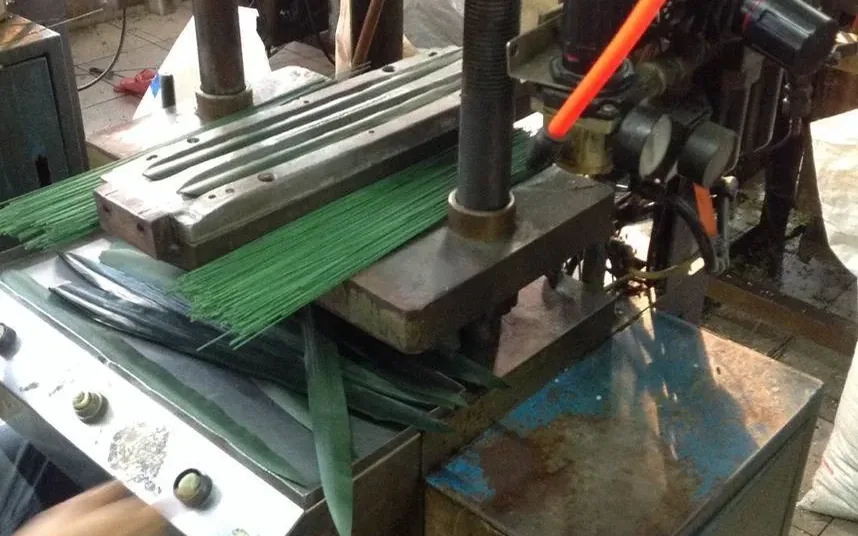
PE vs Silk Foliage and Fibreglass vs Foam Trunks: How to Verify Delivered Material Against the Specification
How to check that PE foliage, fibreglass trunk shells and steel cores match the specification: leaf density, wall thickness, zinc and colour tests.
Read article →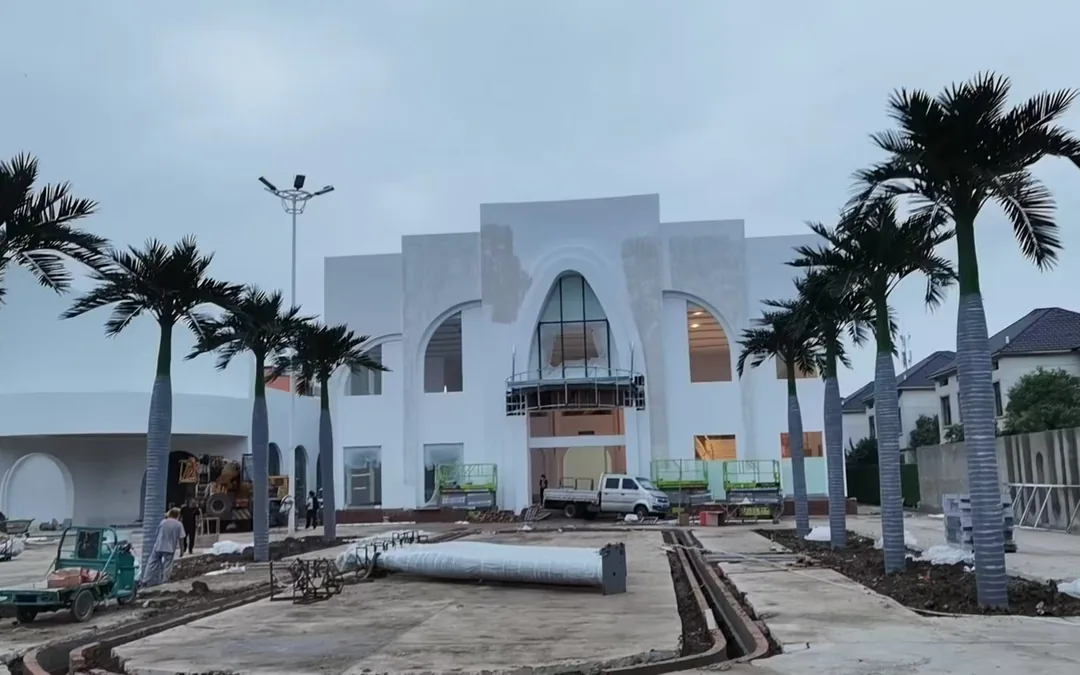
EN 13501-1 Fire Classification for Artificial Trees: What B-s1,d0 Certifies and How to Write It Into a Tender
EN 13501-1 has no Class B1. What B-s1,d0 actually certifies, where DIN 4102 B1 stops being equivalent, and how to write the fire requirement into a tender.
Read article →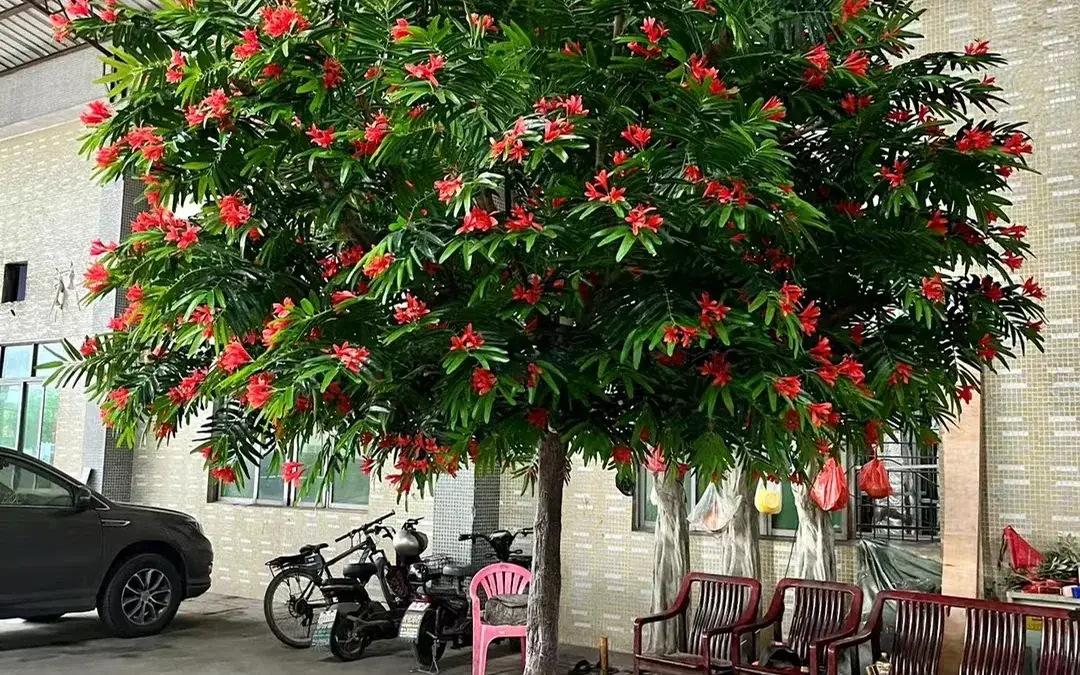
Specifying UV50+ Outdoor Artificial Trees by Site Exposure: Coastal Salt, Inland Desert, Rooftop Thermal Cycling and Sheltered Plazas
Coastal salt, desert dust and rooftop heat load an outdoor specimen differently. Set UV50+ treatment, fixing grade and cleaning interval per site.
Read article →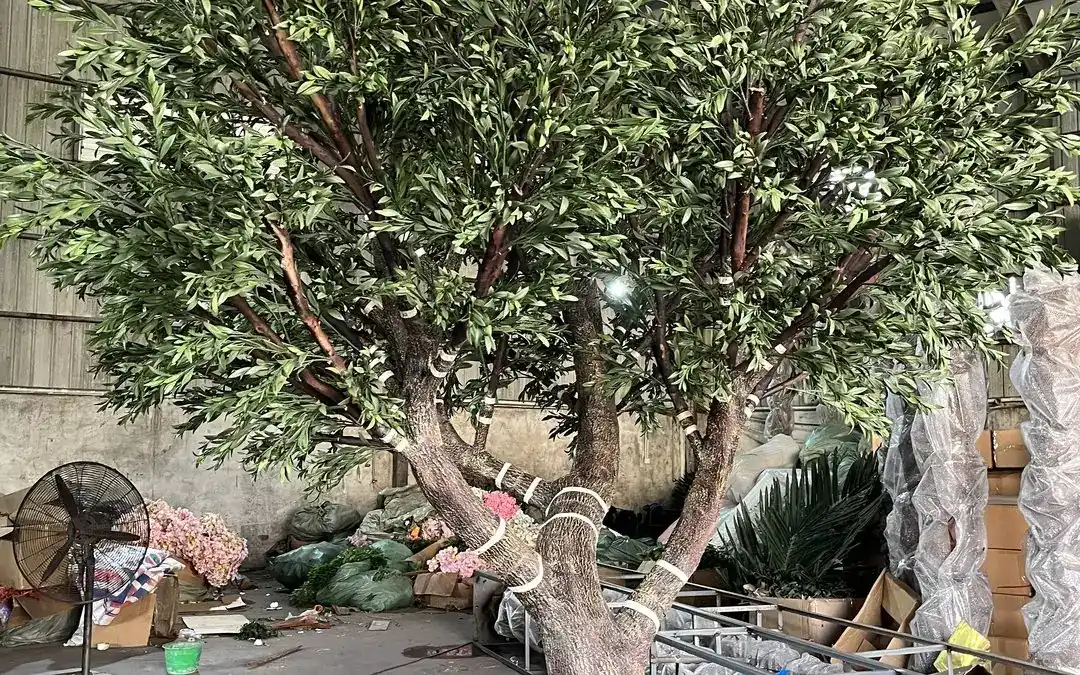
UV and Thermal Ratings for Outdoor Artificial Trees in 50 °C Desert Sites: What to Specify, and What Test Evidence to Demand
UV hours do not predict how an outdoor artificial tree behaves at 50 °C. Set the thermal rating, expansion allowance and ASTM evidence before you order.
Read article →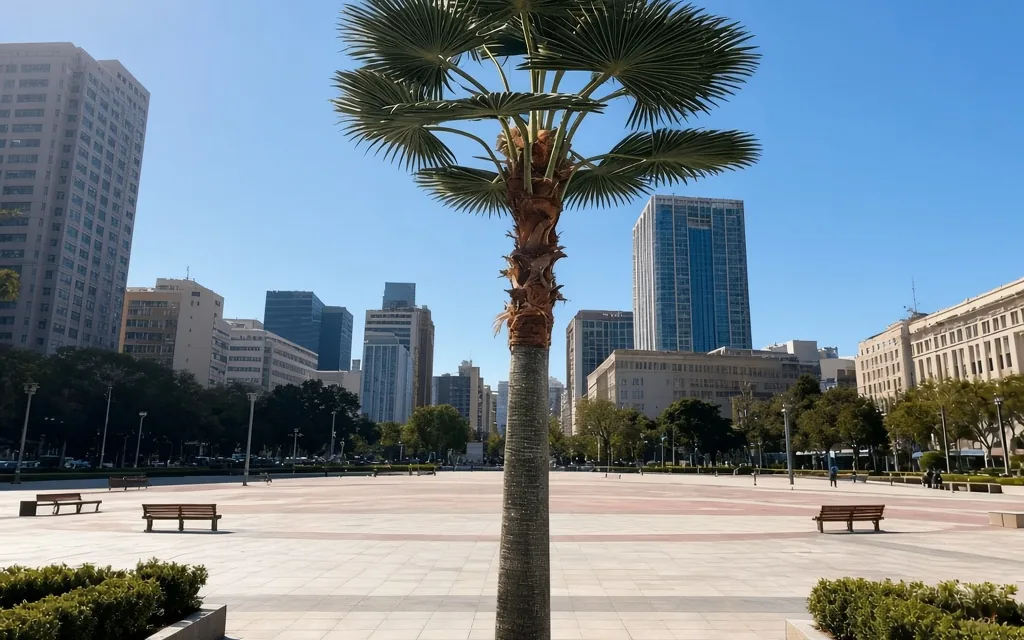
Shipping Artificial Trees Above 3 m: When a 40HQ Stops Working, and How Open-Top, Flat-Rack and LCL Compare Before You Quote Freight
Shipping mode is set by the longest knocked-down piece, not by tree height. How a 40HQ, open-top, flat-rack and LCL compare on CBM, cost and lead time.
Read article →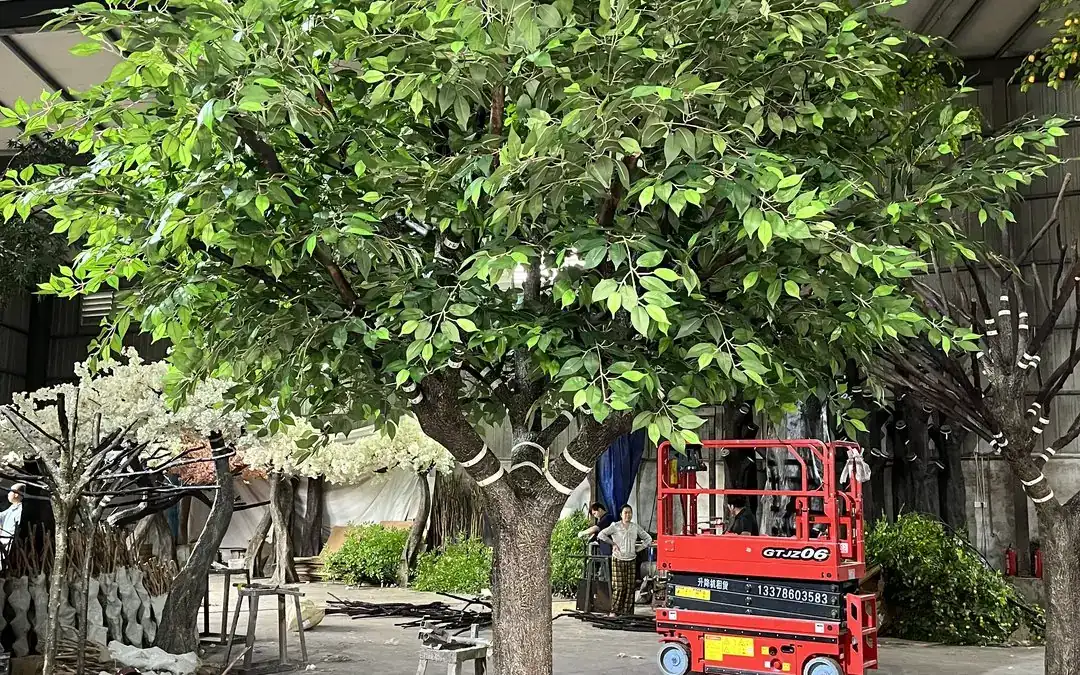
Foliage Attachment and Molded Bark Texture on Large Artificial Trees: How the Leaf-to-Branch Joint Drives Leaf Drop and Re-Foliation Cost
How the leaf-to-branch joint and molded bark texture are specified on large artificial trees - pull-out loads, dressing rates and re-foliation cost.
Read article →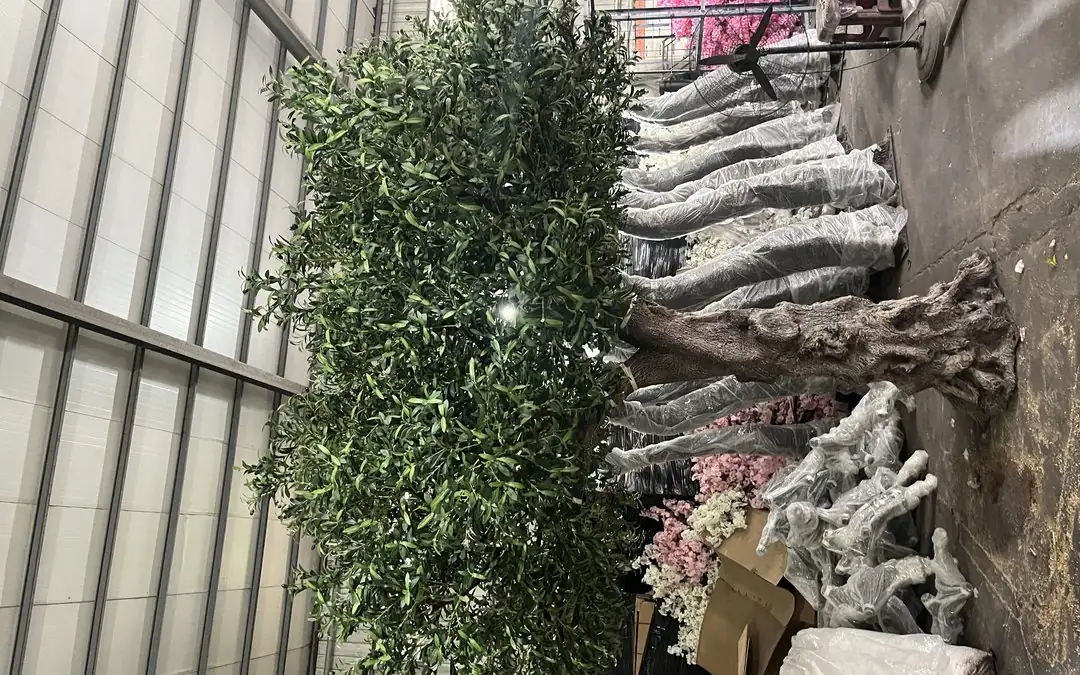
Installation Schedule for Large Artificial Trees: Planning Site Access, Hoisting Windows and Handover Sequence Before You Order
Build an artificial tree installation schedule that holds: door and lift clearances, hoisting windows, crew hours and the handover checks to record.
Read article →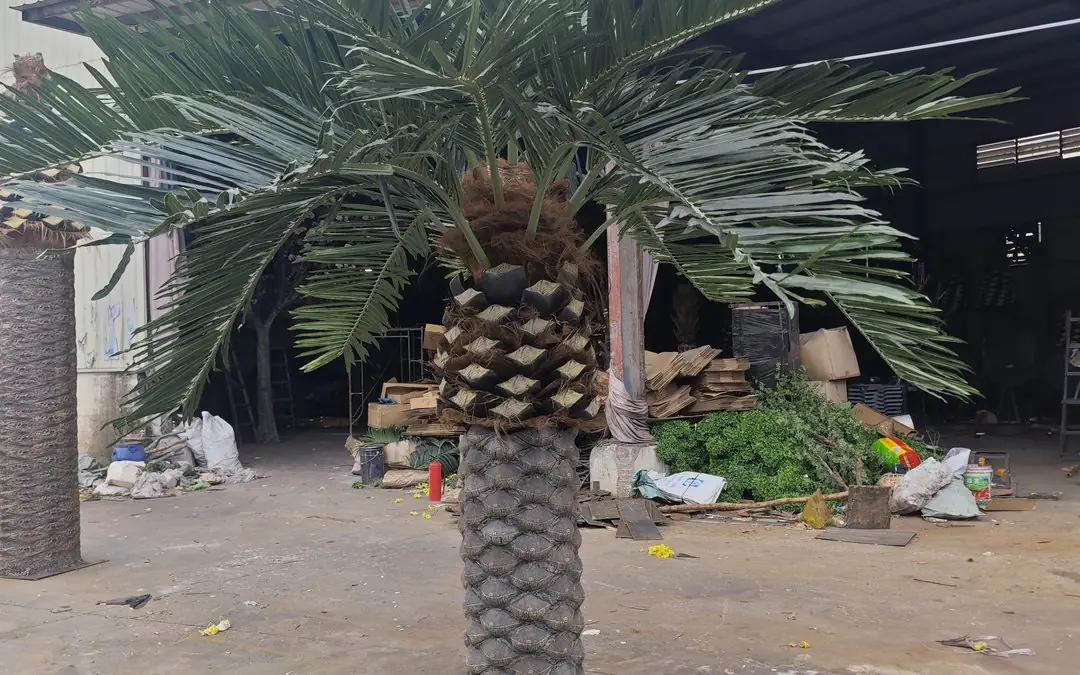
Fiberglass vs Foam Trunks for Large Artificial Trees: Specifying Shell Wall, Core Continuity and Repairability Before You Order
Fiberglass vs foam trunks for 4-12 m artificial trees: shell wall, steel core sizing, moisture and repair, and which build survives Gulf projects.
Read article →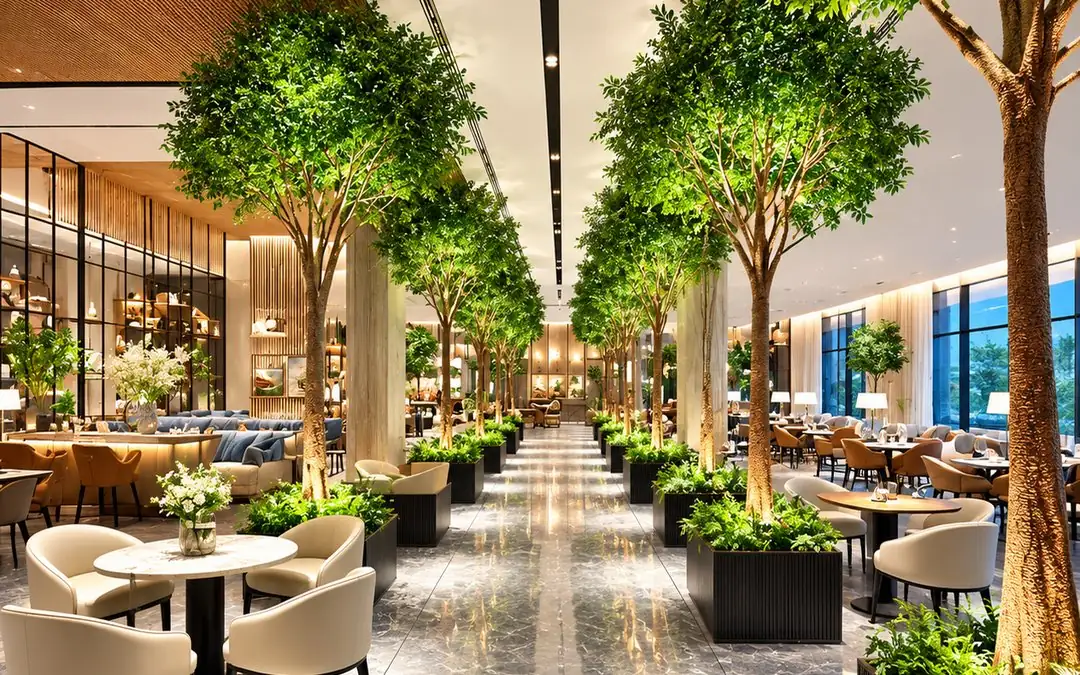
Wind Load Inputs for Rooftop and Podium Artificial Trees: The Site Data, Structural Sign-Off and Load Path to Fix Before You Order
Rooftop and podium trees can only be sized once the design wind speed, slab capacity and fixing method are documented. What to collect before you order.
Read article →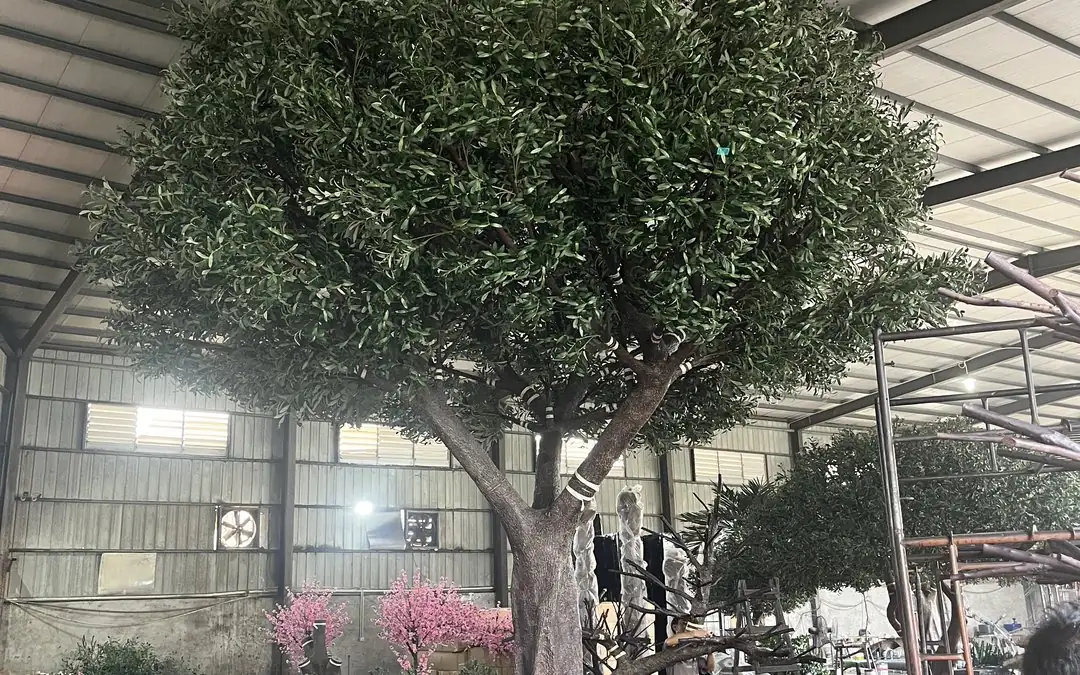
NFPA 701 Compliance for Artificial Foliage: How to Read the Certificate, the Test Method and the Batch Before You Approve the Shipment
Verify an NFPA 701 certificate for artificial foliage: which test method applies, what the report must name, and the batch checks to run before shipping.
Read article →
Anti-Yellowing Acceptance Criteria for Outdoor Artificial Palms: Writing a UV50+ Specification That Holds at 50 °C
Write a UV50+ spec for artificial palms at 50 °C: grey-scale and ΔE limits, in-resin HALS, salt-spray hours and the test evidence to demand from a supplier.
Read article →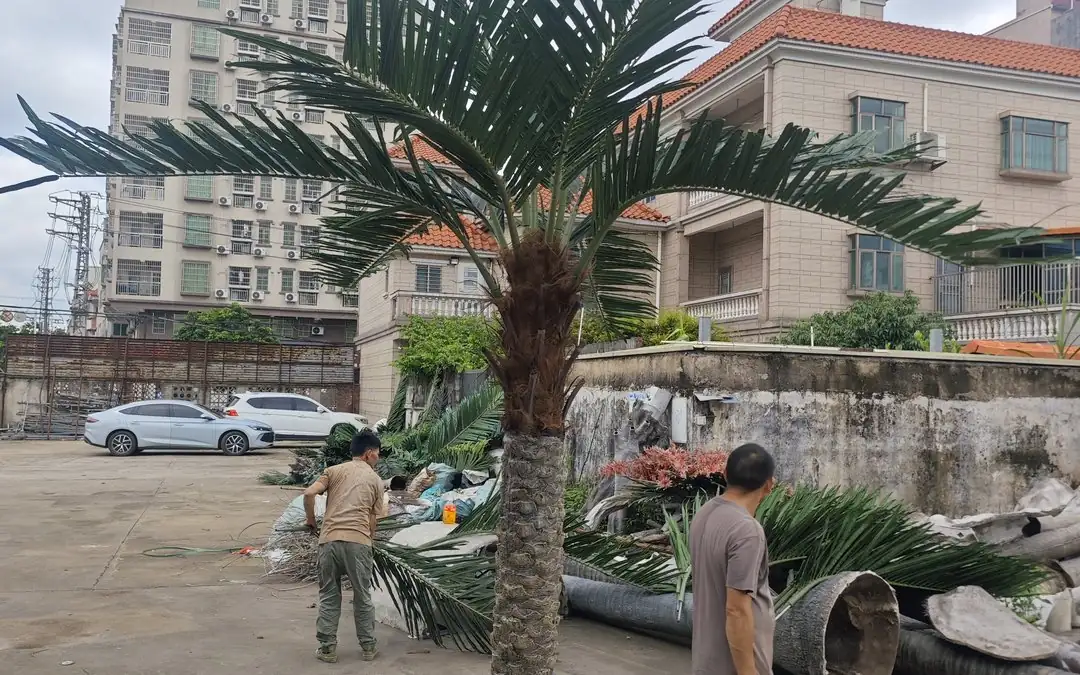
Specifying the Roof Anchor and Base Plate for Large Artificial Trees: Bolt Grade, Galvanizing Class and Pull-Out Testing Before You Order
Roof anchor and base plate specification for large artificial trees: bolt grade, galvanizing, edge distance, C5 corrosion class and pull-out testing.
Read article →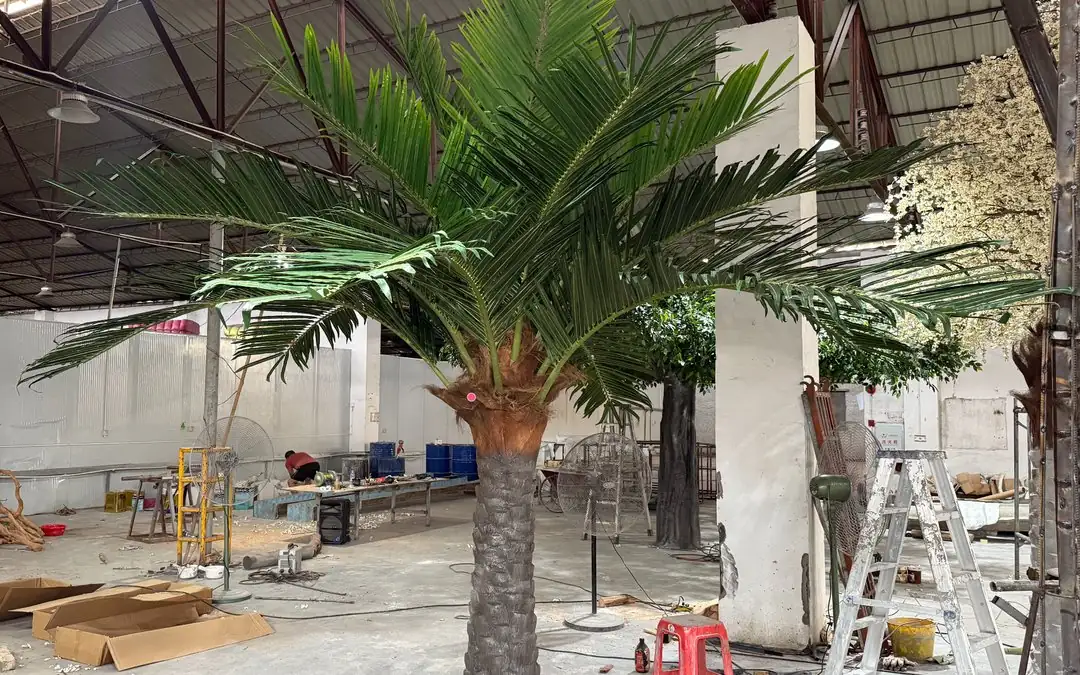
Knock-Down Shipping for Large Artificial Trees: Joint Design, 40HQ CBM Yield and the Reassembly Checks That Keep a Split Core Straight
Knock-down shipping for large artificial trees: joint design on the Q235 core, 40HQ CBM yield, torque specs and the on-site reassembly checks that matter.
Read article →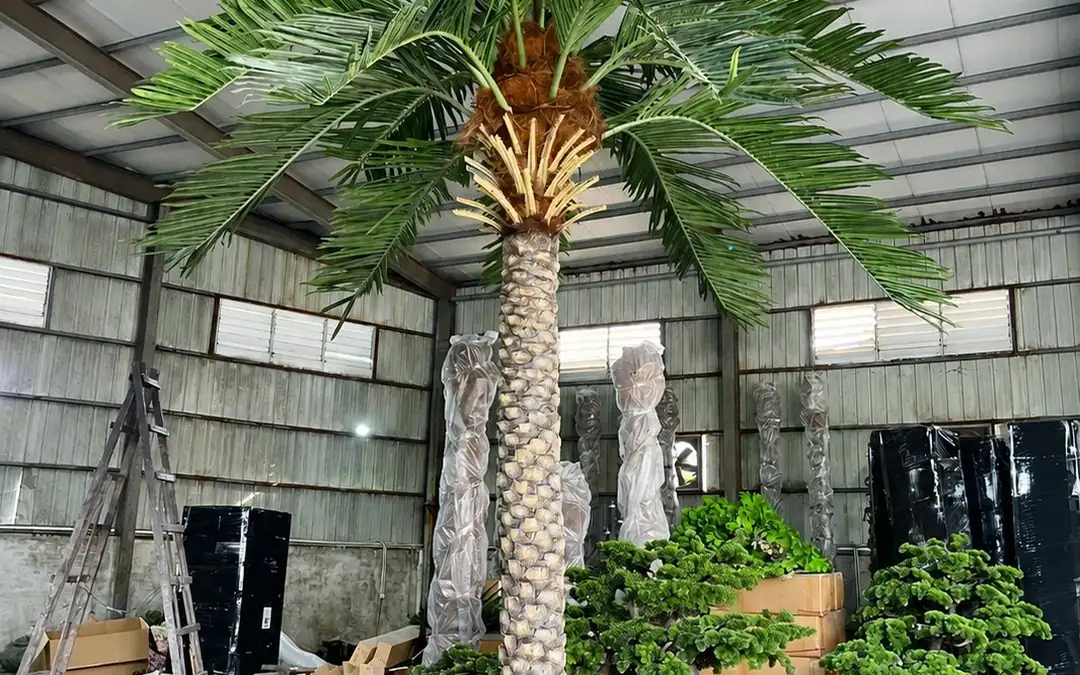
Specifying SABER Certification and Civil Defence Fire Rating for Artificial Trees: The Compliance Dossier Saudi and UAE Projects Need Before the Container Ships
SABER PCoC and SCoC, Civil Defence fire approval, NFPA 701 and EN 13501 evidence for artificial tree projects in Saudi Arabia and the UAE.
Read article →
DWG Shop Drawings and Installation Schedule for Large Artificial Trees: Setting Lead Time, Drawing Approval and Site Sequence Before You Order
DWG shop drawings, approval cycles and installation scheduling for large artificial trees: what to issue at tender, and the lead times to build in.
Read article →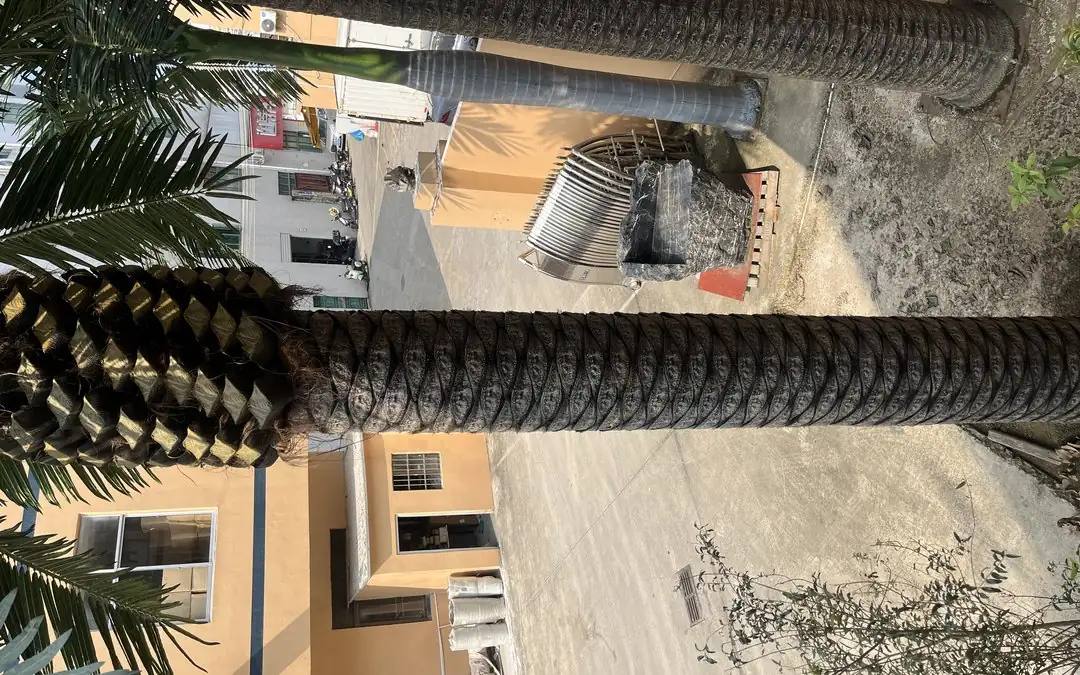
Injection-Molded PE vs Silk Foliage for Commercial Artificial Trees: Specifying Leaf Material, Trunk Build and Service Life Before You Order
Injection-molded PE vs silk foliage for commercial artificial trees: leaf density, fibreglass trunk build, fire rating and service life to spec.
Read article →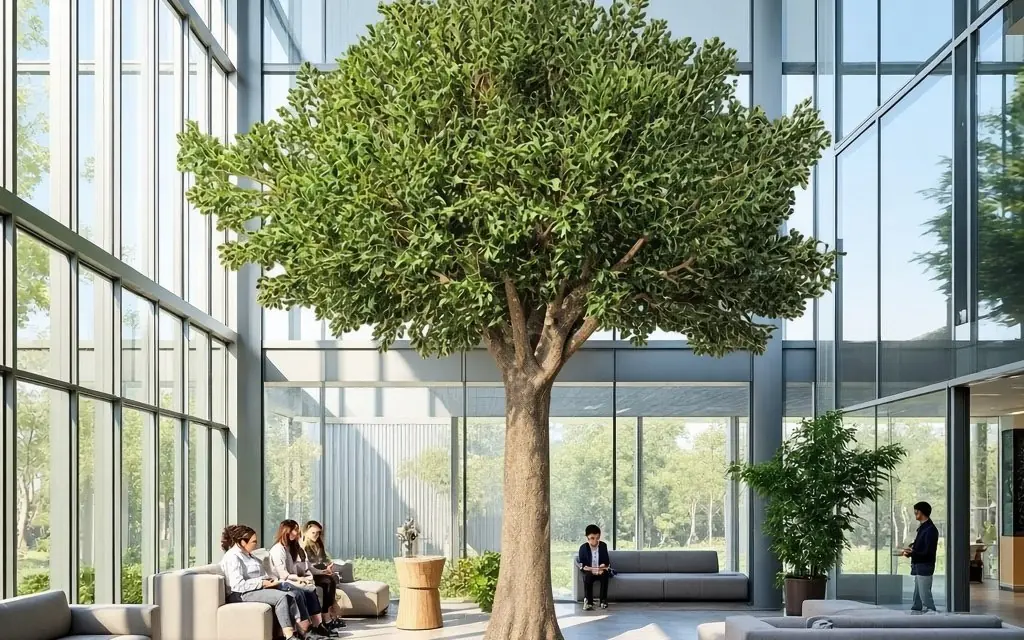
Wind Load Calculation for Large Artificial Trees: Roof Anchor, Base Plate and Embedded Fixing Specifications for Coastal, Rooftop and Atrium Projects
Wind load calculation for large artificial trees: how roof anchors, base plates and embedded fixings are sized at 45 m/s, and uplift numbers to specify.
Read article →